As a cat owner, you ask, ‘Can cats eat eggs?’ The answer is yes, cats can eat eggs. However, like many human foods, the long answer comes with several important caveats regarding preparation, portion size, and frequency. Egg is the best nutrition for your cat.
Are Eggs Good for Cats?
In the wild, cats are opportunistic hunters. While they don’t typically raid bird nests as a primary food source, they wouldn’t turn down an egg if they stumbled upon one. Nutritionists and veterinarians generally agree that eggs are an excellent source of nutrition for cats when offered as a treat.
Eggs are a powerhouse of animal protein. Since cats require high levels of protein to maintain their muscle mass and energy, eggs fit perfectly into their dietary needs. Beyond just protein, eggs are rich in essential amino acids—the building blocks of life that cats cannot produce on their own. They contain vitamins A, B12, and riboflavin and minerals like iron and selenium. However, can cats eat eggs as their only source of food? Absolutely not. While nutrient-dense, eggs lack the complete nutritional profile found in formulated cat food. They should be viewed as a supplement, a topper, or a high-value treat rather than a dietary staple.
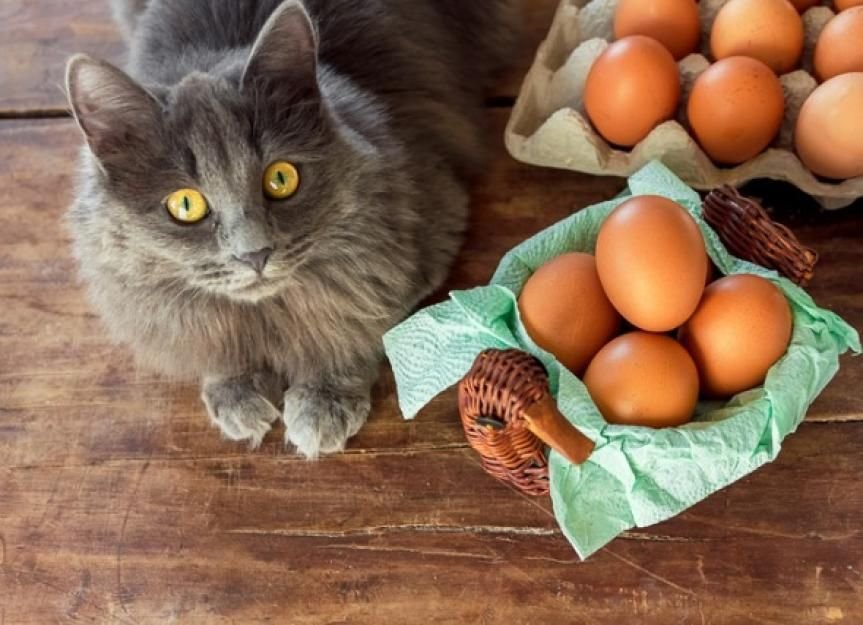
How to Prepare Eggs for Your Cat
When it comes to feeding eggs to your pet, simplicity is key. As humans, we love our breakfast seasoned with salt, pepper, chives, hot sauce, or cheese. None of these additions are safe for your cat. Garlic and onions (and chives) are toxic to felines, causing damage to their red blood cells. Excessive salt can lead to electrolyte imbalances, and dairy can cause digestive upset.
Scrambled Eggs
Can cats have scrambled eggs? Yes, provided they are cooked plainly. When you scramble eggs for your cat, do not use butter, oil, or milk in the pan. The added fats are unnecessary and can cause pancreatitis or diarrhoea. Use a non-stick pan or a tiny amount of water to prevent sticking. Cook the eggs thoroughly until no liquid remains.
Boiled Eggs
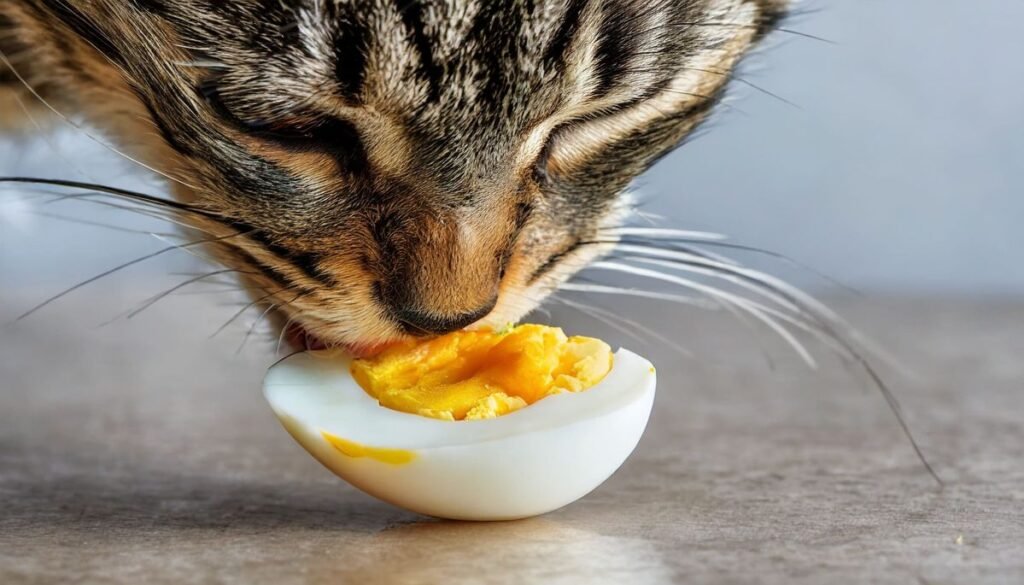
Can cats eat hard-boiled eggs? This is often the best and easiest way to serve eggs to a cat. Hard-boiling eliminates the need for cooking oils and kills any potential bacteria. Once cooled, you can chop a small wedge of the egg into bite-sized pieces. It makes for a mess-free treat that is easy to store in the fridge for a few days.
Poached Eggs
Poached eggs are also acceptable as long as the whites are fully cooked. Runny yolks are generally safe, but uncooked whites contain a protein that can be problematic.
A Note on Processed Meats
While you might enjoy a side of ham with your eggs, you should pause before sharing. Can cats eat deli ham? While ham is meat, deli ham is incredibly high in sodium and often contains preservatives and nitrates that are not healthy for cats. If you are preparing a breakfast plate for your cat, leave the ham out and stick to the plain egg.
Breaking Down the Egg: Whites, Yolks, and Shells
Different parts of the egg offer different benefits and risks.
The yolk
The yolk is the fatty, calorie-dense part of the egg. Can cats have egg yolk? Yes, and it is arguably the part they enjoy the most. However, because of the fat content, you should offer yolk in moderation, especially if your cat is overweight or prone to pancreatitis.
The White
The egg white is almost pure protein. This is great for lean muscle maintenance. However, egg whites should always be cooked. Raw egg whites contain avidin, an enzyme that interferes with the absorption of biotin (a B vitamin). Cooking neutralises avidin, making the whites safe to eat.
Surprisingly, the shell might be one of the most beneficial parts for specific dietary needs. Eggshells for cats are an incredible natural source of calcium. In the wild, cats consume the bones of their prey to get calcium. In the home, crushed eggshells can serve a similar purpose, especially for cats on a homemade diet. The shells must be boiled (to sanitise), dried, and ground into a fine powder before being sprinkled over food.
Eggs and Allergies: A Scientific Breakthrough.
The relationship between cats, eggs, and allergies is a complex and fascinating topic. It generally falls into two categories: cats that are allergic to food, and eggs that help humans who are allergic to cats. Food Allergies in Cats: Like humans, cats can develop food allergies. If your cat is allergic to chicken protein, they may also react to eggs, though this isn’t always the case. If you notice vomiting, diarrhoea, or excessive scratching after feeding eggs, discontinue immediately.
Sometimes, veterinarians recommend novel proteins for cats with allergies. In some specific nutritional plans, egg white protein for cat allergies is discussed as an alternative protein source if the cat cannot tolerate meat proteins, though this is rare and should be supervised by a vet.
Eggs: Reducing Human Allergies
This is where the science gets exciting. Research has discovered that chickens naturally produce antibodies against Fel d 1, the primary allergen found in cat saliva and dander. When chickens interact with cats, these antibodies end up in their eggs. Scientists have developed a method using egg powder for cat allergies. This isn’t about feeding your cat an egg to cure their sniffles; it involves feeding the cat a diet coated with a specific egg product containing those antibodies.
When the cat eats the food containing this specific egg powder for cat allergies, the antibodies neutralise the allergen in the cat’s mouth. As the cat grooms, they spread less active allergen onto its fur, significantly helping human owners who suffer from cat allergies. There is also egg white powder for cats available on the market, often used as a general nutritional supplement for sick or underweight cats to boost their protein intake without adding excessive volume to their diet.
Can Cats Eat Raw Eggs?
The “raw feeding” movement has gained popularity in recent years, leading many owners to ask if they can crack a raw egg over their cat’s kibble. While raw feeding can have benefits, raw eggs pose specific risks. The primary concern is Salmonella and E. coli. According to the CDC, raw eggs can contain these harmful bacteria, which can cause food poisoning in both pets and their owners.
While cats have shorter digestive tracts that make them somewhat more resistant to bacteria than humans, they are not immune. Secondly, as mentioned earlier, raw egg whites contain avidin. Long-term consumption of raw egg whites can lead to a biotin deficiency. Symptoms of biotin deficiency in cats include hair loss, skin lesions, and diarrhoea. Cooking the egg destroys the avidin and eliminates the bacterial risk, making it the safer choice. How Much Egg Should I Feed a Cat? Portion control is critical. Because eggs are so calorie-dense relative to a cat’s size, they should be treated as a snack. Follow the 10% rule: treats should make up no more than 10% of your cat’s daily caloric intake.
For an average cat, this means roughly half of a hard-boiled egg or one tablespoon of scrambled eggs is more than enough for a serving. You should not feed your cat eggs every day. Once or twice a week is a good frequency to provide variety without causing nutritional imbalances.
Will My Cat Try an Egg?
Cats are notoriously picky eaters. While some will gobble up a piece of scrambled egg before it hits the floor, others may sniff it with disdain and walk away. Texture plays a big role in feline palatability. Some cats dislike the rubbery texture of boiled egg whites but love the creamy consistency of the yolk. Others might prefer the fluffy texture of scrambled eggs.
If you want to introduce eggs to your cat’s diet, start with a tiny piece. If they reject it, don’t force it. Conclusion: Eggs can be a safe, nutritious, and affordable treat for your feline friend. They offer a boost of high-quality protein and amino acids that support a healthy coat and strong muscles. Whether you are asking, ‘Can cats eat eggs?’ or ‘Can cats have scrambled eggs?’ or ‘Can cats eat hard-boiled eggs?’ The answer is a resounding yes—provided they are cooked, unseasoned, and served in moderation.
However, remember to steer clear of high-sodium additives. While you might wonder if cats can eat deli ham alongside their eggs, it is best to keep the breakfast plate clean and simple. From the nutrient-rich yolk to calcium-packed eggshells for cats, almost every part of the egg offers value when prepared correctly.
As with any change to your pet’s diet, it is always wise to consult your veterinarian, especially if your cat has pre-existing health conditions. So, next Sunday morning, feel free to scramble a little extra egg for your companion—just hold the salt and pepper.