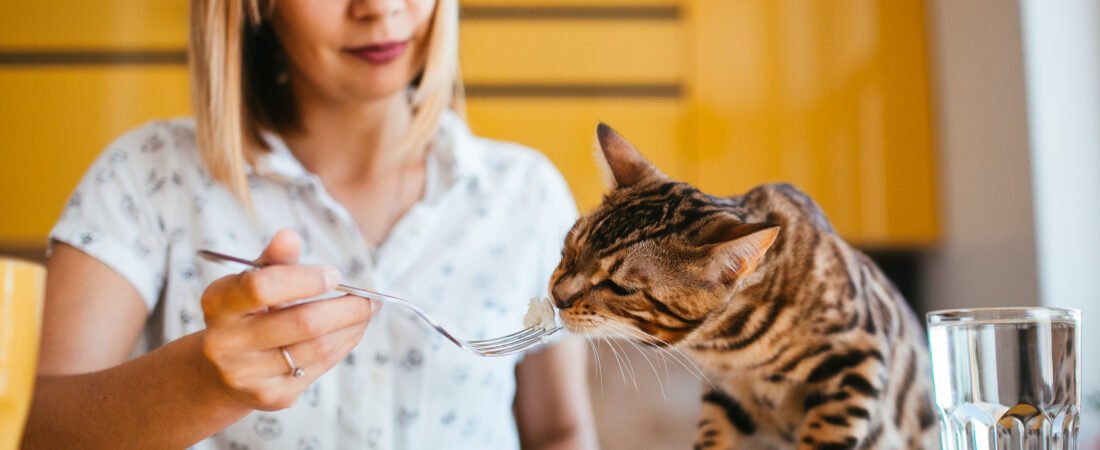
Cats and Peanut Butter?
Are you a cat parent, and do you like to feed your cute furry best friend with little peanut butter biscuits? You probably are left with the following question: Can cats eat peanut butter? The reason behind this question is that, based on its appearance, peanut butter is harmless, and it is the favorite of dogs. Nevertheless, cats are not miniature dogs, and their digestive systems digest the food in completely different ways.
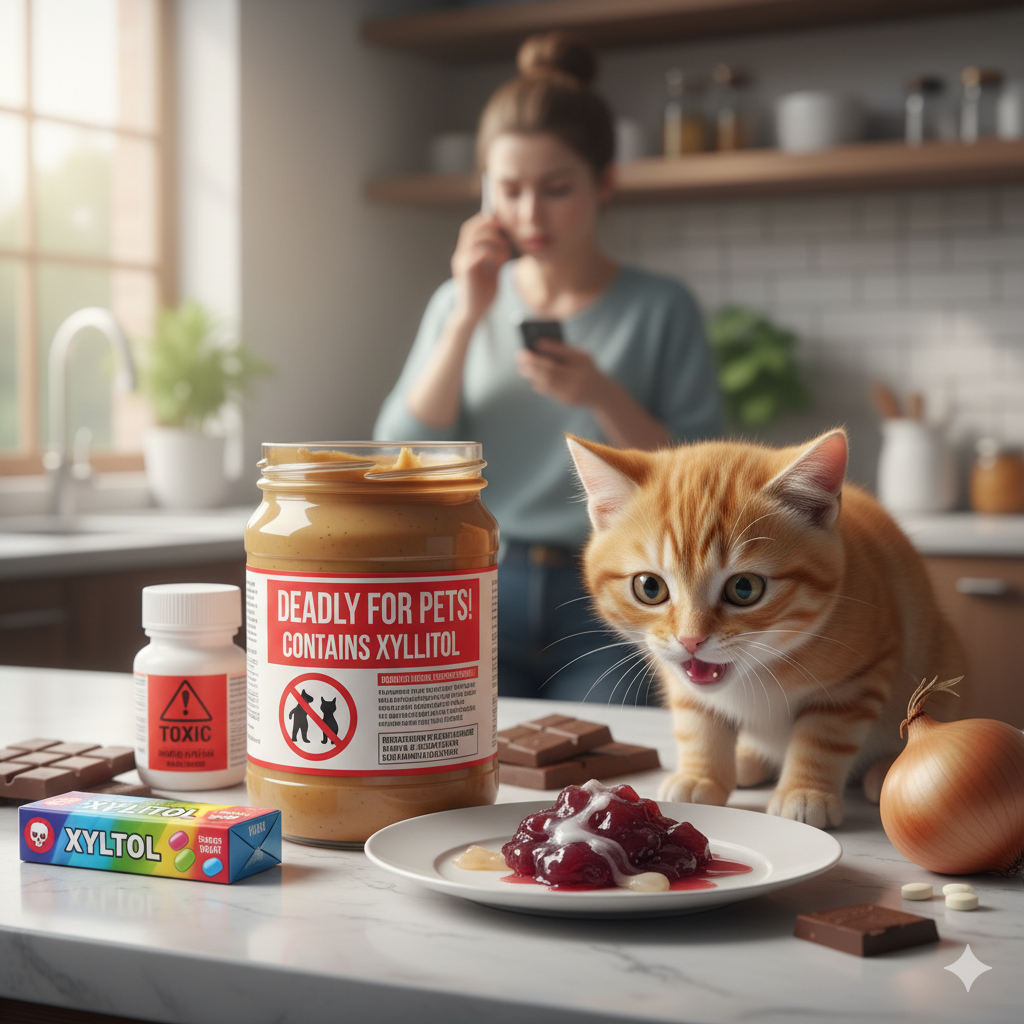
A lick of peanut butter could not hurt your feline friend at once, but it is not a good or healthy snack. The cats are obligate carnivores, i.e., the structure of the body prefers meat and animal protein rather than the fat or sugar in the vegetation. By feeding your cat peanut butter regularly, you may also cause stomach complications, obesity, and even adverse reactions in cats that have allergic reactions to this food source (and in exceptional instances, even cause serious side effects in case the peanut butter used contains additives such as xylitol), which is a sugar substitute (toxic to pets).
As the owners of cats do their safe human foods research, they will also be interested in whether they can have or share foods like mayonnaise with tuna or even share nuts and spreads. The questions that are often asked are also about vitamin supplements for cats, whether peanuts are harmful to cats, or even, can cats eat peanut butter and jelly? This paper will uncover the reality of these foods, which ones are okay in moderation, and the list of ingredients that you need to keep out of sight of the cat dish.
Peanut Butter: ok or not safe for cats?
Not all cats are poisoned by some of the doses that cats take in low quantities. But the fact that it is not unhealthy does not make it healthy. Peanut butter is actually full of fat, sugar, and calories, which cats do not require. A teaspoon of peanut butter, as fed to a cat, is a human being swallowing a large spoonful of pure fat!
Peanut Butter and Cats: Dangers in Feeding Cats.
Large Content of Fat: This may result in obesity and pancreatitis. Added Sugar and Salt: Cause dehydration, weight gain, and stomach upsets. Xylitol Review: A cat or dog that takes even a bit of xylitol will die. Choking Hazard: The sticky nature of it may lead to choking or problems with swallowing. Cats that already have sensitive stomachs or periodically vomit may be more likely to react after consuming peanut butter. When you observe symptoms such as drooling, gagging, or refusal to eat, it would be advisable to take the cat to the veterinarian as soon as possible.
What About Mayonnaise with Tuna?
The second common question is whether cats can eat mayonnaise with tuna. Tuna in itself is an occasional delicacy, but mayonnaise is not a feline-friendly substance. It contains a lot of oils, fats, and even preservatives, which are effective in giving a cat an upset stomach.
Tuna is okay in small portions. Mayonnaise = fats too fatty to be digested by the felines.
diarrhea. The combination has a high probability of nausea, vomiting, or diarrhea.
In case your cat is fond of the tuna aroma, you may offer it a small piece of plain tuna, without mayonnaise and without sauces. It should be drained out thoroughly and served sparingly, as excessive consumption of tuna may result in excessive mercury accumulation.
Rug Vitamin Supplements for Cats: Are They Necessary?
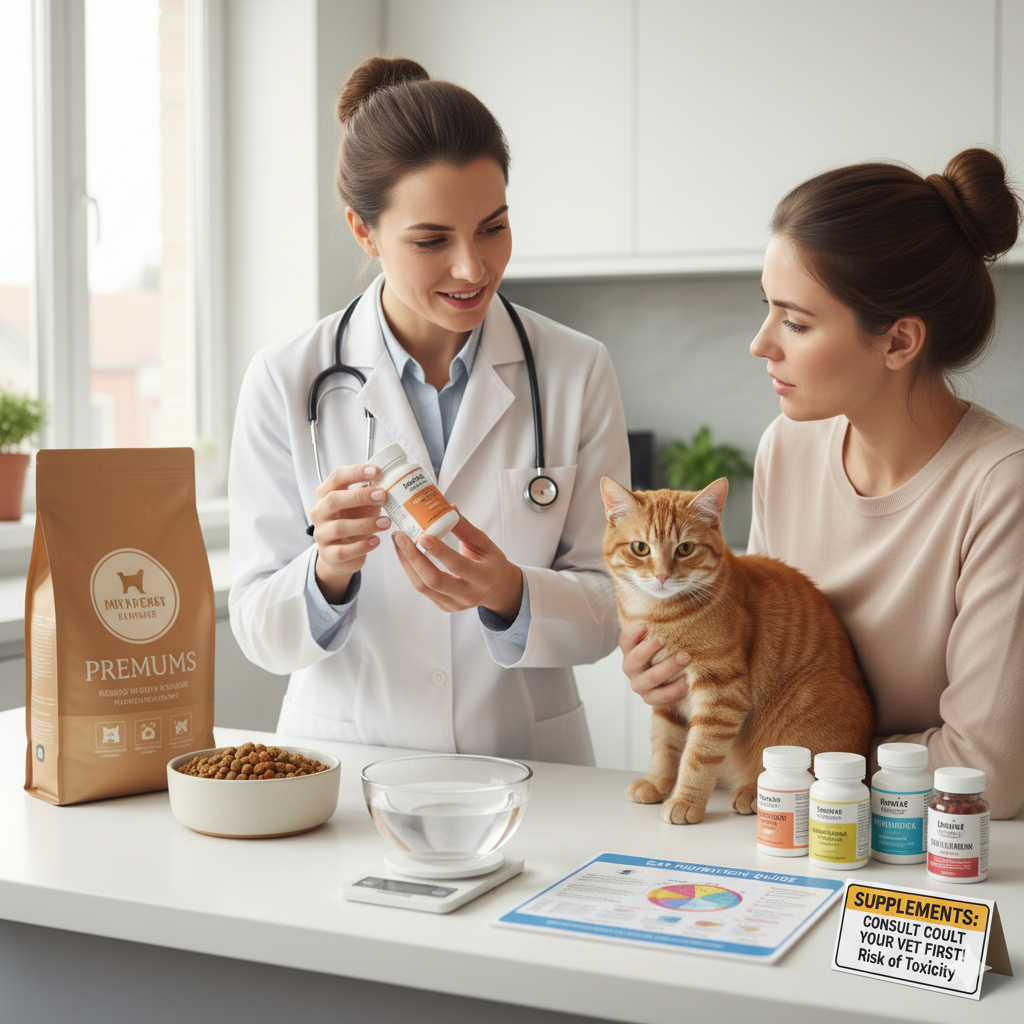
Most cat owners believe that they should feed their feline with vitamin supplements so that their cat may have good health, particularly when they are fed commercial diets. As a matter of fact, when the cat is fed an appropriate cat food that is approved by the vet, then it already has all the necessary nutrients needed. Supplements might, however, be needed when your cat consumes home-prepared or uncooked food diets. Has certain health problems (e.g., joint or kidney problems), is elderly or ill, or is convalescing.
Consult your vet before beginning supplements. Excessive supplementation may result in toxicity of particular fat-soluble vitamins (A, D, E, and K).
Are Peanuts Safe for Cats?
The other question that is related is whether one can feed peanuts safely to cats. The answer? Fair enough technically, but they ought not.
Are peanuts toxic to cats?
Nope—peanuts do not poison cats in small quantities. However, they can still cause:
Choking (whole peanuts in particular), Weight gain (due to high fat), stomach upsets, or diarrhea.
It is simply not necessary to feed cats peanuts, as they are not considered to be nutritionally beneficial. Invalid null hypothesis:
Do cats eat peanuts or not?
- Raw and unsalted peanuts: = is not disturbing, but unnecessary.
- Peanuts salted, flavored, or coated with chocolate = dangerous.
- Shells of peanuts = choking.
- Simply, peanuts are not lethal but are a snack for cats.
Do Cats Like Peanut Butter and Country?
- Cats must never be fed peanut butter and jelly sandwiches. It is not only the peanut butter but also the jelly, which has sugar and even artificial sweeteners such as xylitol.
- Xylitol may cause even the slightest dose to cause:
- Vomiting
- Lethargy
- Seizures
- Liver failure
- In addition, the huge quantities of bread may prove hard to digest for cats, and they contain empty calories with no benefits to their bodies.
- Whenever you wish to reward your cat, use what has been approved by her veterinarian, cat snacks by the doctor, or a small slice of cooked chicken or fish.
Can cats eat pistachios or pistachio nuts?
You may also ask me: can cats eat pistachios, or can cats eat pistachio nuts? Pistachios augment their digestive organs, yet it might happen that cats should not consume these foods directly since they contain large amounts of fat and sodium.
Potential issues include:
Too much oil or salt may result in vomiting or diarrhoea.
Owing to fatty snacks regularly.
See terrified cats.
In summary, it may be all right that a cat is able to lick a pistachio, but cat owners should not form a habit of it. It is not advisable to use nuts at all.
Why Cats Are So Picky with Foods.
- Cats are obligate carnivores, i.e., they need meat only. Cats are not able to digest vegetable fats and carbohydrates as well as humans (or even dogs). Their liver enzymes do not digest sugars and oils. That is why foods such as peanut butter, pistachios, or mayonnaise, which contain a lot of fats and additives, easily cause stomach upsets, nausea, or even lasting issues with health among cats.
- Drowning in Plainview, Unsuspecting of the Violence around Us.
- Food Safe or Not? Reason
- Peanut Butter ❌ Banned: High fat, xylitol danger.
- Mayonnaise EX out of Fatty, greasy, undigestible,
- toxic, but peanuts are not toxic, but not healthy.
- Jelly with no sugar/xylitol.
- Pistachios: Red flag, Low wide margin
- High fat and salt.
- Tuna is a good protein, but mercury should be monitored.
How to Take Care of a Cat That Ate Peanut Butter or Nuts.
There is no reason to panic when your cat licks some peanut butter or your cat gets hold of a nut, but one has to watch closely.
Steps to Take:
- Look at the label—make sure the peanut butter does not have xylitol.
- Inspect your cat—consider vomiting, diarrhea, and listlessness.
- Drink water to aid in eliminating fats and salt.
- Contact your vet when the symptoms persist for over 12 hours or deteriorate.
- Even in small quantities, peanut butter or nuts should never be given to cats that already have some form of health condition (such as obesity, diabetes, or pancreatitis).
- Peanut B., a.k.a. Healthy, Safe Alternatives to Peanut Butter.
- You can offer your cat instead of peanut butter or mayonnaise:
- Little pieces of fish or chicken are boiled.
- One teaspoonful of plain pumpkin puree (good to digest)
- Catnip enrichment treats.
- Low-fat and sugar-free cat snacks are approved by the veterinarians.
- The alternatives are digestible, healthy, and will not lead to nausea and permanent complications.
Quick FAQ
- In small portions, can cats be given peanut butter?
Yes, but it’s best avoided. Even a little bit of it can cause stomach problems or choking.
2. Are peanuts toxic to cats?
No, they are not healthy, but still, they are not necessary.
3. Will cats be able to eat mayonnaise and tuna?
Tuna, yes (in moderation). Mayonnaise, no — it’s too fatty.
4. Then what are the most suitable vitamin supplements for cats?
Only the ones prescribed by a vet would count. Most cats are fed a balanced diet, which gives them the needed vitamins.
5. Can cats eat pistachios or peanut butter and jelly?
No. These are overly fatty and sweet foods, and they might have xylitol.
Final Thoughts
Then, is it true that cats can have peanut butter? Yes, technically; however, they should not actually. Cats do not get any nutritional value from peanut butter, nuts, and other fatty human snacks, and may have nausea, vomiting, or even worse. Cats cannot live on plant-based spreads and sweets; they live on high-protein diets that contain animal nutrients.
Being a good cat parent, your greatest gift to your cat is good, healthy food, clean water, and non-toxic treats. Be it in cards as supplements or even in sharing every now and then tuna snacks, a thought always goes through your head that is always thought like a vet: Could this be healthier for my cat, or is this really not? If not, skip it.
WRITTEN BY: Rizwan Ali
Researcher on animal species, especially cats and dogs, horses, environmental health issues, and food breeding issues.