Cat Diarrhea Causes, Symptoms & How to Treat It Safely
What happens to your cat; is it the case of cat diarrhea? Get to know the usual causes, be it in the diet and stress, or serious illness, and how to treat and prevent them. Handling a sick cat may be a stressful process for any pet owner. As cats are knowingly evasive of signs of sickness, the initial indications of something being wrong with them are sometimes their manners or bathroom habits. Diarrhea is one of the major problems that cat parents are likely to encounter. Although it is usually a short-term issue, it may in some cases be an indicator of some underlying medical condition.
The initial action, which will make your feline companion feel better, is to have a clue about the potential causes of cat diarrhea.. This is a complete guide to what makes cats diarrheal, how one can know whether it is complicated, and what can be done to treat it. We shall be addressing the difference between acute and chronic ones, how the veterinarians identify the issue, and what they can recommend regarding prevention and recovery.
Diarrhea is described as loose or unformed stools of which the occurrence isn’t normal. It is not a disease, but a symptom, meaning that something is wrong with the gastrointestinal (GI) tract. In the case of diarrhea in a cat, there is a problem of food and water passing through the intestines too fast; hence, water, nutrients, and electrolytes are absorbed so quickly. This condition may be a one-time incidence of soft stool or severe, watery, and repeated bowel movements. Although a certain episode of mild diarrhea may not be a significant issue, persistent or severe diarrhea can result in dehydration, malnutrition, and other adverse outcomes.
What about my cat, is it diarrhea or not?
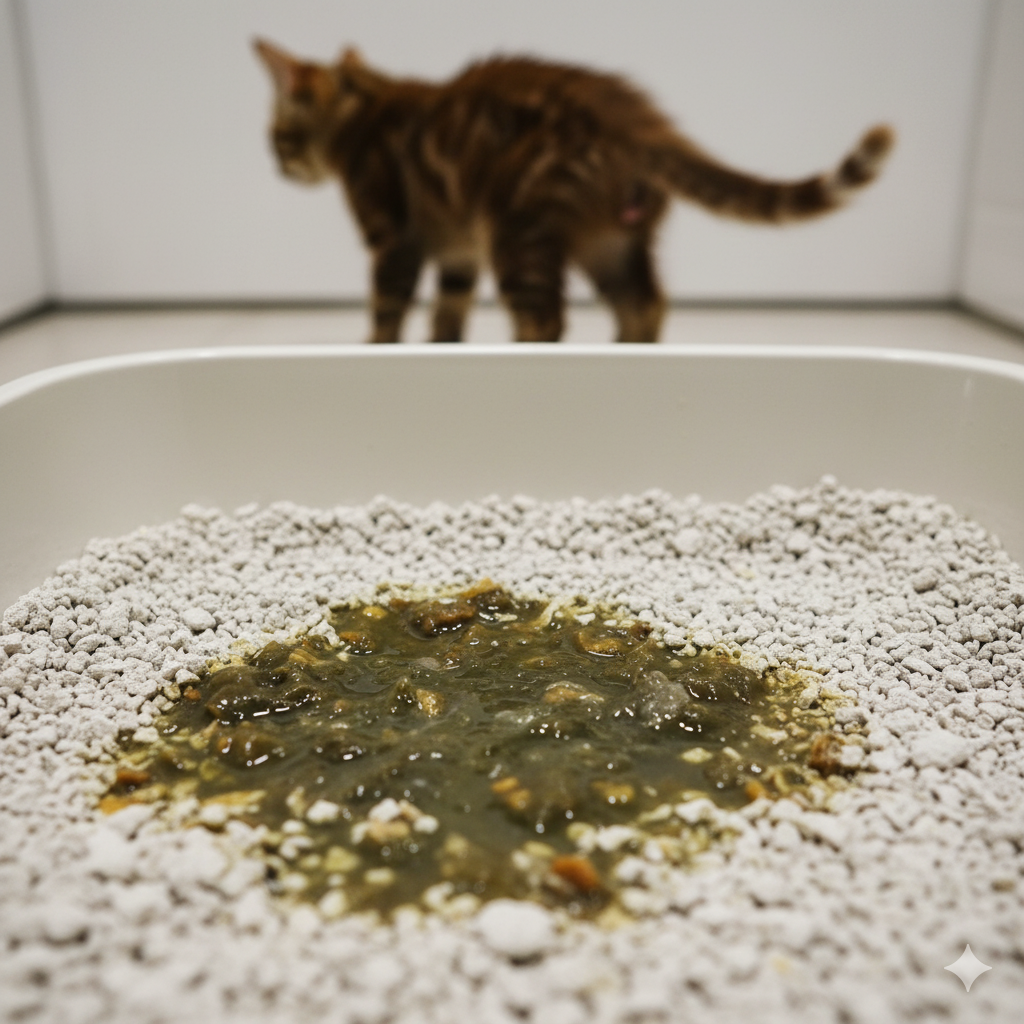
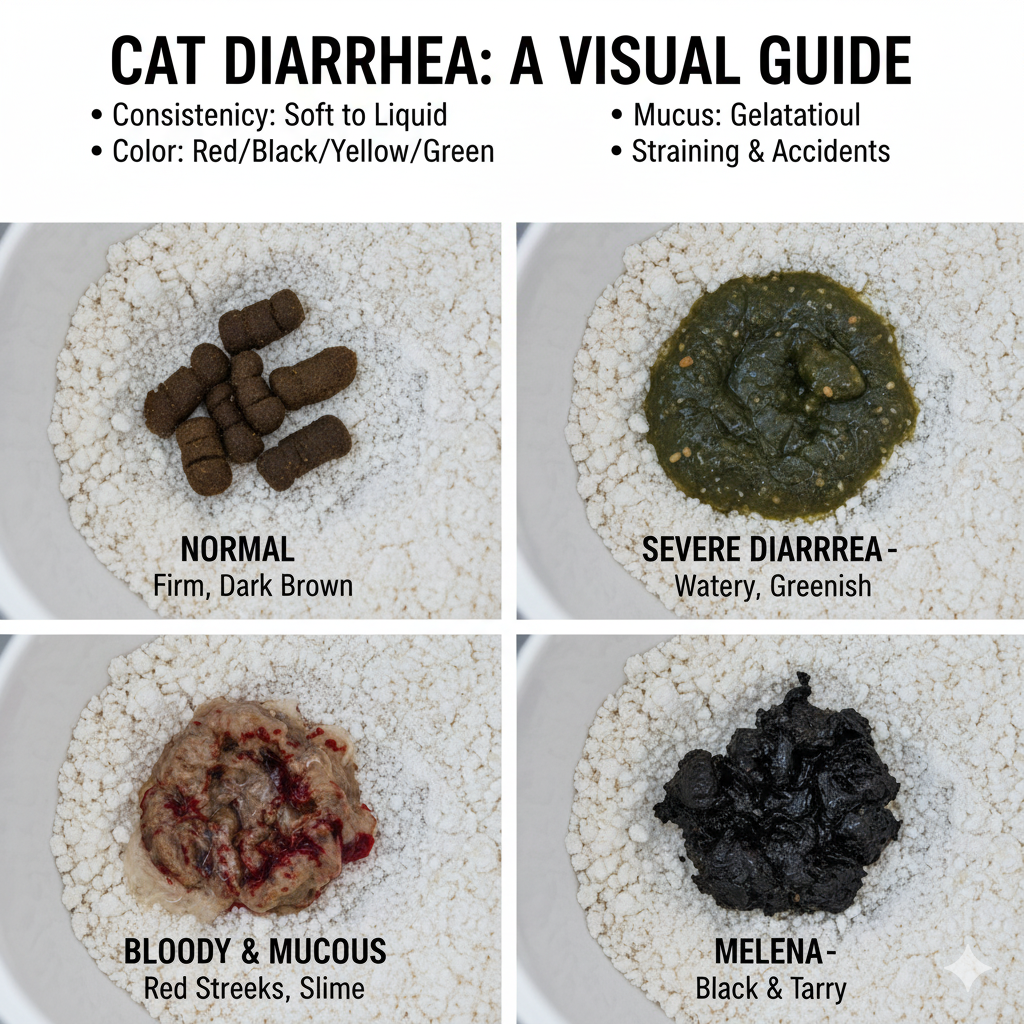
The most effective way of detecting diarrhea in the cat is by monitoring the litter box. Normal cat stool is firm, well-formed, and dark brown in color. Any kind of deviation with regard to this norm may be an indication of an issue. The signs that indicate that your cat has lost its bowel movements include the following: Loose or Watery Sools: This is the most apparent.. The consistency may be soft and mushy (as that of a cow-patty) or liquid.
Straining: one may observe that the cat is straining on the litter box; this is occasionally confused with constipation. Accidents Outside the Litter Box: An urgency may result in accidents in the house. Sool Color Alterations: Diarrhea may also have atypical colours.
Bloody or Red Stool Bloody stools are bright red, which indicates bleeding in the lower GI tract (colon or rectum). Dark tarry stools indicate bleeding in the higher part of the GI tract (stomach or small intestine). Whenever you see bloody diarrhea, you should call to speak to your vet.
Yellow or Green Stool: Yellow feces can be an indicator of liver issues, and green feces can be associated with something they consumed, or with some problems in their gallbladder. Stool Mucus: A large mucus-like substance may be a sign of inflammation of the colon.
In case of cat vomiting and diarrhea being experienced simultaneously, it is to be considered a veterinary emergency. This mixture can cause quick dehydration and can be an indication of severe causes such as an intestinal obstruction, poisoning, or organ failure. In cats, acute and chronic diarrhea: the difference between them.
To reduce the possible number of causes of diarrhea and identify the most appropriate course of action, veterinarians divide it into various types, depending on their duration of a specific manifestation.
Acute Diarrhea
Acute diarrhea refers to diarrhea that comes without warning and lasts for no more than two weeks. Most of the time, it does not need treatment besides supportive care, which solves itself. The reasons can be considered as occasionally temporary, connected to something that the cat has swallowed.
Chronic Diarrhea
Chronic diarrhea is more persistent, taking up to two or three weeks or more. This sort of diarrhea tends to indicate an underlying medical problem that is more serious and needs intensive diagnostic analysis and a course of treatment. Due to the fact that it may cause extreme weight loss, nutritional deficiencies, and dehydration, chronic diarrhea must always be seen by a veterinarian.
Cat Diarrhea Causes
The causes of your cat and its digestive discomfort may be different and may depend on the type of disorder, whether it is acute or chronic.
Causes of Acute Cat Diarrhea
A sudden change of stressor or a temporary stressor is usually associated with acute diarrhea. The most popular culprits are the following:
Dietary Indiscretion: This is an elegant manner of saying that your cat just ate something he should not have eaten. This may be table scraps and food leftovers, as well as non-food materials.
Sudden Diet Change: Changing the food of your cat too suddenly may cause havoc on the digestive system of the cat. The gradual change should always be done over 7-10 days.
Infections:
Viral: Vicious diarrhea may be the result of the following viruses: feline panleukopenia, rotavirus, or feline infectious peritonitis (FIP). Bacteria: Bacteria (Salmonella, E. coli, and Clostridium) may cause gastrointestinal upsets.
Parasitic. This is a very non-specific causative agent, especially in the case of kittens. The most prevalent offenders are the roundworms, hookworms, and protozoa, including Giardia and Coccidia.
Toxins or Poisons: Acute cat vomiting and diarrhea can result as a consequence of ingesting poisonous vegetation, chemicals, or human medications.
Yes, it certainly can. Stress-induced diarrhea may be precipitated by significant changes within the environment of a cat, which may include a change of homes, the introduction of a new pet, or even a noisy event.
Chronic Diarrhea of Causes.
In the case of weeks of diarrhea, it is likely to be a medical complication. Chronic cat diarrhea may be caused by some of the following causes:
Inflammatory Bowel Disease (IBD): It is a disease that is among the most common types of chronic vomiting and diarrhea occurrence in cats. The IBD is a condition that is caused by an abnormal immune reaction leading to chronic irritation and inflammation of the GI tract.
Food Allergies or Intolerances: A long-term negative response to something in their diet, in most cases a protein, may cause incessant gastrointestinal distress.
Pancreatitis: The inflammation of the pancreas may disrupt the capacity of the pancreas to produce digestive enzymes, which will result in poor digestion and diarrhea.
Hyperthyroidism: The hyperactive thyroid gland accelerates metabolism, and this may result in the food moving too fast down the GI tract.
Kidney or Liver Disease: The diseases have the capacity to disrupt normal body functions and cause gastrointestinal symptoms.
Exocrine Pancreatic Insufficiency (EPI): The condition is rare, which occurs when the pancreas fails to produce enough enzymes needed for digestion.
The only special thing to be considered is what to feed a nursing cat with diarrhea. The diarrhea case of a nursing queen needs prompt treatment by the veterinarian because she is likely to get dehydrated within a short period of time; this is likely to impact her milk quantity and the well-being of her kittens. The cause should be diagnosed in order that the safety of the mother and her litter is guaranteed.
Diagnosing Diarrhea in Cats
In order to figure out the reason why your cat has diarrhea, your veterinarian is going to begin with a detailed physical examination of your cat and a history of your cat in terms of the symptoms, diet, and lifestyle. It is so convenient to carry a fresh stool sample to the appointment.
Fecal Analysis: The stool sample will be examined with regard to intestinal parasites, bacteria, and infection indication.
Urinalysis: It will aid in determining the renal performance and the state of hydration.
Specific Testing: A specific blood test (T4) will be ordered in case of the presence of hyperthyroidism. Certain viruses, such as FeLV and FIV, can be tested using other tests.
Imaging: X-rays or abdominal ultrasound can be used to detect any obstruction in the intestines, tumors, or any alteration of the organs.
Dietary Trials: Your veterinary doctor can place your cat on a diet of strict elimination diet using a hypoallergenic or novel protein cat food for 8-12 weeks in case of a food allergy.
Endoscopy and Biopsy: When one suspects having IBD or cancer, a small camera can be employed to look inside the GI tract and take samples of tissue to be analyzed.
Cat Diarrhea Treatment
Cat diarrhea is treated entirely based on its cause. Before administering any drug to your cat, it is important to ask your veterinarian. What is the safe anti-diarrhea medicine that is available to cats? Cats are sensitive to most human drugs, including Pepto-Bismol-2 or Kaopectate-2, and must never be used.
The treatment plans can be:
Medical Intervention
Dewormers: In case of a discovery of parasites, your vet will prescribe you a suitable dewormer.
Antibiotics: In case of bacteria, antibiotics might be required. The effects of metronidazole are commonly taken advantage of in their anti-inflammatory properties on the gut.
It is a safe kind of cat anti-diarrhea, though mild cases can be treated with it.
Fluid Therapy: For the replacement of the electrolytes lost in the fluid due to the dehydration process, the cats might require intravenous (IV) or subcutaneous (under the skin) fluid to restore hydration.
Dietary Control: To empty your gastrointestinal tract, your veterinary recommends a temporary bland diet (with boiled chicken) or administration of gastrointestinal cat food. These diets are very digestible, and they assist in calming down the inflamed GI tract.
Home Care for Mild Cases
Your vet may recommend home-based supportive care in case of a single episode of mild diarrhea in an otherwise healthy adult cat. This could include:
Bland Diet: It is a temporary diet of boiled and unseasoned chicken or a veterinary intestinal diet.
Fiber: To get the cat to make his stool firmer, a small portion of plain canned pumpkin (not pie filling) will be added to his food.
Probiotics: A cat-specific probiotic has the potential to help in intestinal health.
Treatment and control of Cat Diarrhea.
When the cat is recovering, he should be provided with a comfortable place to sleep in silence. Isolation of them from the other pets is also advisable to watch their litter box use and to avoid the chances of infectious diseases proliferating.
You should always do what your veterinarian tells you to do, and you should always take your medication even when you believe that you are okay.. The process of getting back to their normal food should be gradual over a week to prevent another outburst. In the case of chronic illnesses such as IBD or food allergies, long-term dietary control will be necessary in order to maintain the symptoms under control.
How to Prevent Cat Diarrhea
Not all instances of diarrhea are avoidable, but there are some measures you can take to reduce the risk: Limit the Change of the Diet: Add new foods bit by bit within a period of 7-10 days. Keep Preventive Care Up to Date: Wellness screening, immunization, and fecal examination may identify problems early in their progression. Keep Toxins Away: It is important to have all your plants, chemicals, and human food stored away.
Your Cat Your Cat Your Cat.
Litter box habits of your cat are an important aspect of responsible pet owner. Although cat diarrhea is a frightening experience when an episode occurs, it is possible to be well-informed of the possible causes and when to turn to the veterinary care, and it can save a life. Through your veterinarian, you can be able to go to the core of the issue to support your cat.
Cat Life Stages: Veterinarians and animal health organizations like the American Animal Hospital Association (AAHA) and the American Association of Feline Practitioners (AAFP) divide a cat’s life into four primary age-related stages, with a fifth stage for end-of-life care.
WRITTEN BY: Rizwan Ali
Researcher on animal species, special cats and dogs, horses, environmental health issues, and food breeding issues.