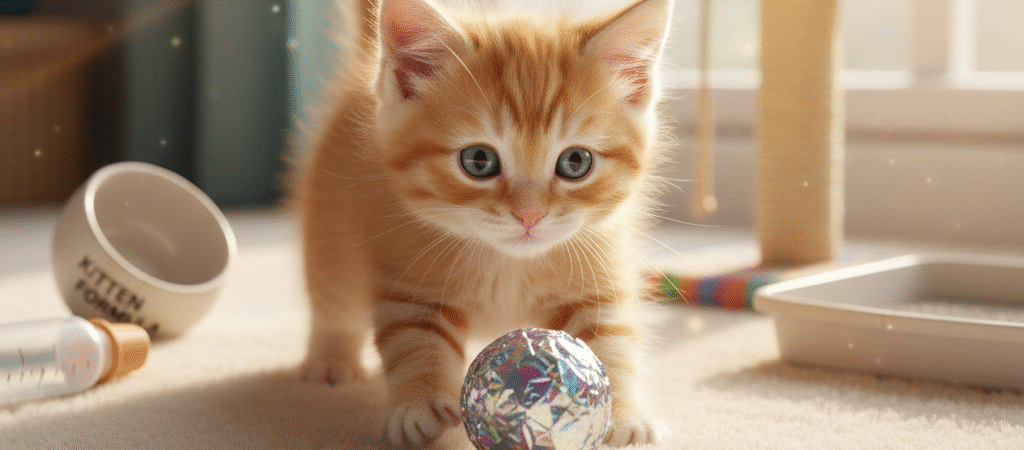
behaviors,Cat life stages include kitten (birth to 1 year), young adult (1 to 6 years), mature adult (7 to 10 years), and senior (over 10 years). All cat owners would like to provide a healthy and happy life for their pet. You have to know the stages of a cat’s life first, the special adventure your cat friend will go through on its way to the golden age, since birth as a kitten. Every stage is accompanied by new behaviours, nutrition, and changes in emotions, which determine the personality and health of your cat.
The phases of the cat’s life are not solely related to age, but they are also about transformation. As the playful kittens grow, from the wise composure of the elderly cats, these levels show you how your cat changes as it matures, both physically and mentally, as well as socially. Knowing every stage, you will be able to offer the ideal care and build a strong relationship in your life.
Over this entire guide, we are going to examine the six phases of the cat’s life, including helpful tips on maintaining its care and information about the cat’s health and behavior, as well as expert tips on cat life that will help your cat live. Fancy a peep into the world of your feline—life stage by life stage.
1. Cat Life Stages Kitten Stage (0-12 Months): Developing the Foundation.
The kitten stage is full of growth, curiosity, and exploration. This is because in the first year, your cat not only gains social skills and learns how to play but also creates strong human and other pet attachments.
Key growth facts:
Quick development of muscles and bones. A high-protein diet is necessary. Vaccination at an early age and frequent visits to the veterinarian. Lifetime confidence is developed during socialisation between 2 and 7 weeks. Pro tip: Learn to play with healthy handling through the use of toys. It is important to note that the brain of your kitten is growing rapidly at this stage; hence, interactive learning is important.
Infographic concept: Timeline of growth: physical and behavioural milestones during months 1-12.
2. Junior or Young Adult Stage (1 Year to 6 Years): o.p.m.v.i.
This is the teenage and young adult stage of your cat – full of movement, competence, and exploration. The average age of full physical maturity in most cats is 1 to 2 years, although emotional maturity may take a prolonged period.
Care focus:
Switch to balanced nutrition food as an adult. Promote exercising and brain stimulation on a daily basis. Start taking care of the teeth and attending the veterinarian once a year. Coach and strengthen good behaviours.
At this stage, cats demonstrate a great sense of hunting, territoriality, and social self-belief. They are inquisitive, jovial, and mostly mischievous too – the best opportunity to instil good habits in their lives that in the long run are to last.
3. The Mature Adult Stage (710 Years): Imperceptible Changes Start.
And at the age of 7, you will observe the transition of the mature adult stage in your cat, a fine boundary line in the development of a cat. Even though your cat may feel and look young and energetic, little internal changes begin to manifest themselves.
What changes to expect:
Slower metabolism, Gain of weight, or decreased activity. Several symptoms of stiffness in the joints. Loss of slightly increased appetite or sleeping. The best way you can help your cat in this stage is to change his diet to adult cat nutrition, moderate calories, joint nutrients, and frequent check-ups. Playtime should be light but regular to ensure that the muscles are in good condition.
4. The Elderly Phase (11-14 Years): Mellow Ageing and Comfort.
The later cat health stage commences at an age of about 11 years. Similar to humans, the elderly cats can experience difficulties in terms of the lack of mobility, diminished senses, dental and kidney problems, etc.
Care checklist:
Provide a senior diet with kidney and joint support. Have bowls of food and water handy. Give beds and warmer places. Visit the vet more often, once every two years. Monitor such behavioural changes as confusion or irritability.
Here, your cat prefers comfort, sameness, and tranquillity. Stress should be avoided, routines should be regular, and love needs to be given. The old cats still enjoy company – they only express it less.
5. The Golden Years: The Super Senior Stage (15+ Years).
It is the last phase of the cat’s life, commonly referred to as the super senior or geriatric phase. With good care, there are cats who are able to live long beyond 18 to 20 years.
Indications of the super senior phase:
Decreased motion and increased slumbers. Vision or hearing decline, Potential long-term diseases (arthritis, thyroid, kidney). Loss of appetite or self-care.
Your mission is to ensure that you bring a peaceful and comfortable day. Engage in simple comforts, cursory care, pain relief, and plenty of affection. Older cats are sensitive to the warm and stable conditions that have soft lighting and regular schedules.
6. Behavioural Modifications in the Stages of Cat Life.
There is more to behaviour that suggests the stage of cats life of your cat than age. Learning about such changes will make you respond to emotional and physical needs in a timely manner.
| Life Stage | Common Behaviors | What It Means |
| Kitten | Play biting, climbing, exploring | Curiosity & learning |
| Young Adult | Hunting play, territorial marking | Confidence & energy |
| Mature Adult | Less play, more sleeping | Metabolic slowdown |
| Senior | Increased vocalization | Attention-seeking or disorientation |
| Super Senior | Forgetfulness, confusion | Cognitive aging |
Note: Behavioural observation should always be accompanied by guidance from the vets. It will be possible to anticipate future illnesses by observing the changes in the level of energy or appetite in the early stages of life.
7. Health and Nutrition Life Stage.
Every stage of life of a cat is characterised by specific health needs. Healthy eating is a key to a long and happy life. Kitten: Low-energy, high-protein, and high-DHA brain-developing diet.
Adult: Evening meal food for maintenance energy.
Mature/Senior: Calorie-restricted, fibre, more omega-3s.
Super Senior: Food and hydration assistance are easily digestible.
Measure weight, hydration, and dental condition periodically. Supplements should only be integrated with the approval of the vet. Regular feeding will ensure that your cat is healthy at all ages, concerning the immune system.
Cat Diarrhea Causes: Understanding Digestive Upsets at Any Life Stage
Digestive health plays a major role throughout all cat life stages, from kittens to senior cats. One of the most common problems owners face is cat diarrhea — a symptom, not a disease, that can indicate several underlying issues. Recognizing the causes early helps you protect your cat’s health and prevent more serious complications.
8. Fostering Ideal Conditions at Each of the Life Stages.
- Cats like being in their places of rest, but their requirements change. Modification of your home environment will make your cat comfortable at home at each stage.
- Safe areas, climbing trees, scratching post, etc.
- In young adults, room to play and to explore.
- In the case of grown-up cats, comfortable sleeping places and window sills are provided.
- In the case of the elderly, the furniture, heated beds, and easy access to litter boxes.
- In the case of super seniors, no noise, no light, and no hassle to get to necessities.
- One of the least considered and yet one of the most effective methods of making cats happier and living longer is environmental enrichment.
Diagram: Rapid Overview Graph: Cat Life Phases.
| Age Range | Life Stage | Key Needs | Focus Area |
| 0–12 months | Kitten | Growth & socialization | Nutrition, play, safety |
| 1–6 years | Young Adult | Energy & independence | Training, exercise |
| 7–10 years | Mature Adult | Health maintenance | Weight, dental care |
| 11–14 years | Senior | Comfort & stability | Mobility, diet changes |
| 15+ years | Super Senior | Quality of life | Comfort, vet care |
(Hint: This chart can be transformed into an infographic to engage and share it more with users at a higher rate.)
FAQ: Frequently Asked Questions.
Q1: What is the number of stages of the cat’s life?
Cat life stages are usually as follows: kitten, young adult, mature adult, senior, and super senior.
Q2: When is a cat considered old?
The age of cats at 11 years is generally referred to as senior, whereas 15 years and above are super senior.
Q3: What can I do to ensure that my cat is active even at an old age?
Play softly, use puzzles, and use a climbing aid. This involves ensuring that you keep your cat in motion as well as keeping it comfortable.
Q4: Can a cat live 20 years?
Yes – numerous domesticated cats may have 18–20 years of life with good nutrition, exercise, and frequent visits to the veterinary clinic.
Q5: What is the reason why cats sleep more and more as they grow older?
The process of metabolism decreases, and an elderly cat requires additional rest in order to save energy and lessen stress.
Conclusion:
You Should Be a Good Person to Your Cat and Appreciate Every Step of Its Life. This is because by comprehending the life phases of cats, you will be able to view your feline friend not only as a pet but as a lifelong companion whom you need to continue to get to know throughout his/her life. At every stage, all are beautiful: the innocence of kittens, the courage of grown-ups, and the wisdom of old people.
And you are not only prolonging your cat’s life when you adjust your treatment to its stage, whether it be eating or being, or both, but you are also making your cat live better.
Each meow, purr, and nap contains an account of love, growth, and trust. You should enjoy every single moment, and you will provide your cat with the happiest and healthiest life.
WRITTEN BY: Rizwan Ali
Researcher on animal species, especially cats and dogs, horses, environmental health issues, and food breeding issues.