Introduction
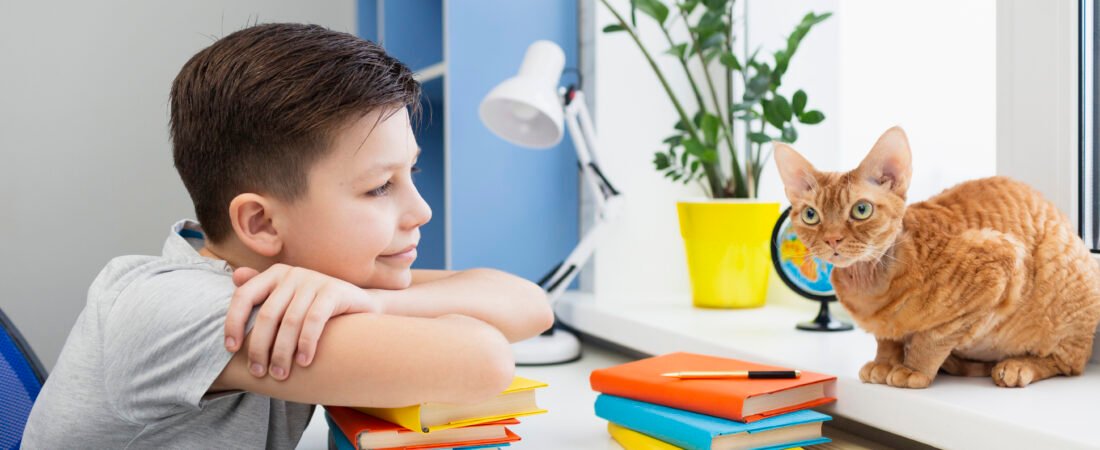
The photograph of a kindly cat purring beside a sleeping baby is an effective one. It creates a sense of warmth, comfort, and some sort of special friendship. However, the question that most often comes to the minds of families thinking of bringing a feline into a family with children is: Are cats really patient with children? Yes and no are not the answers. A cat-child relationship is a complicated interaction process that depends on many factors related to the temperament of the cat and the manners of the child.
. The key to a bridge between your children and your cat is to understand the nuances of the behavior of a cat. This guide will also cover the complexity of the behavior cats exhibit around children, what makes these interactions happen, and the steps you can take in practice to ensure your relationships have a safe, loving, and long-lasting relationship.
Understanding Cat Behavior
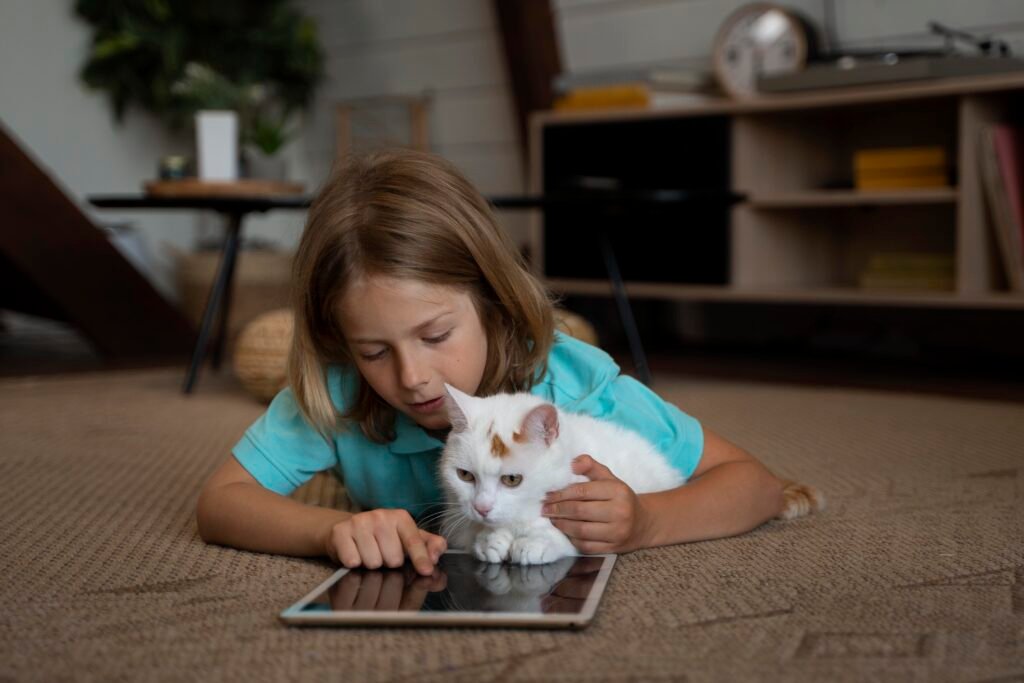
In trying to deal with the way cats relate with children, we must first be able to appreciate the instincts with which they operate. Cats are not miniature dogs; their reasons and ways of communication are different. Understanding such basic characteristics is essential to understanding their behavior and making sure that they feel satisfied in a hectic family.
Territorial Instincts
In essence, cats are territorial. They create certain spaces in a house where they sleep, eat, and feel safe. Unpredictable movements and intense play of a child may seem an intrusion into this space, which will be a cause of stress or anxiety to the cat. When your house is in a commotion, you may find your cat hiding on a high shelf or under a bed. This is not anti-social behavior; it is the survival instinct to find security in the territory already belonging to them. They also mark their territory (scent marking) by rubbing their cheeks on the furniture, doorways, and even people. This assertive behavior to take their territory is an essential element of being safe and a sign of a relaxed cat.
Social Hierarchy
Although they are viewed as lone rangers, cats can and do establish social systems in multi-pet households. Such a hierarchy affects their interaction with all members of the family and even children. A small child may be perceived as a member of the house who is lower in rank and unpredictable to a cat, which may cause avoidance or dominance assertion. On the other hand, a self-assured cat can consider itself/a nanny. This knowledge will allow you to deal with interactions and to achieve the goal that it safe and acceptable in the family.
Communication
Cats are subtle and complicated in their communication. Their non-verbal communication, speech, and scent are their main instruments of expression. A blink at a slow rate is a sign of trust, usually referred to as a kitty kiss. A twitching tail can indicate annoyance, and a high-held tail could imply that they are feeling confident and friendly. The screams vary in sound from a purr of delight or a hissing or growling. It takes time to learn to interpret such cues, as it takes a new language to learn. It enables you to know how your cat is feeling and to prevent a situation before it gets out of control, and to provide an atmosphere of trust to all.
The Cat’s Behavior with Children.
The response of a cat to a child is not a chance, but a result of both the personal nature of a cat and the surrounding environment. A number of factors determine whether the house-cat is a patient companion or a skittish house-mate. When you know about these influences, you will be better able to predict and control their interactions.
Feline Personality
Cats do not possess personalities just like human beings. The spectrum of feline personality is wide, and the position of the cat on it determines its attitude towards children greatly.
The Outgoing Cat: There are some outgoing cats that are, by nature, confident, curious, and social. A cat that is outgoing will be more forgiving of the energy of the child, and possibly the cat will even want to be with the child and play, and even cuddle them. The cats tend to acclimate themselves to the energetic environment of a family home.
The Shy or Reserved Cat: There are other cats that are shy or reserved. They could easily be startled when there is a loud noise or a sudden action, which is common among young children. Such cats are not hostile; they just need more space and a calmer attitude towards them. They may wish to watch and will certainly seek cover in case children are at play. Coerced communication with a fearful cat may cause fear and self-protective behavior.
Past Experiences
The past of cats is very instrumental in determining current behavior. Their previous experience with human beings, particularly children, may make a permanent mark and make them respond differently to new circumstances.
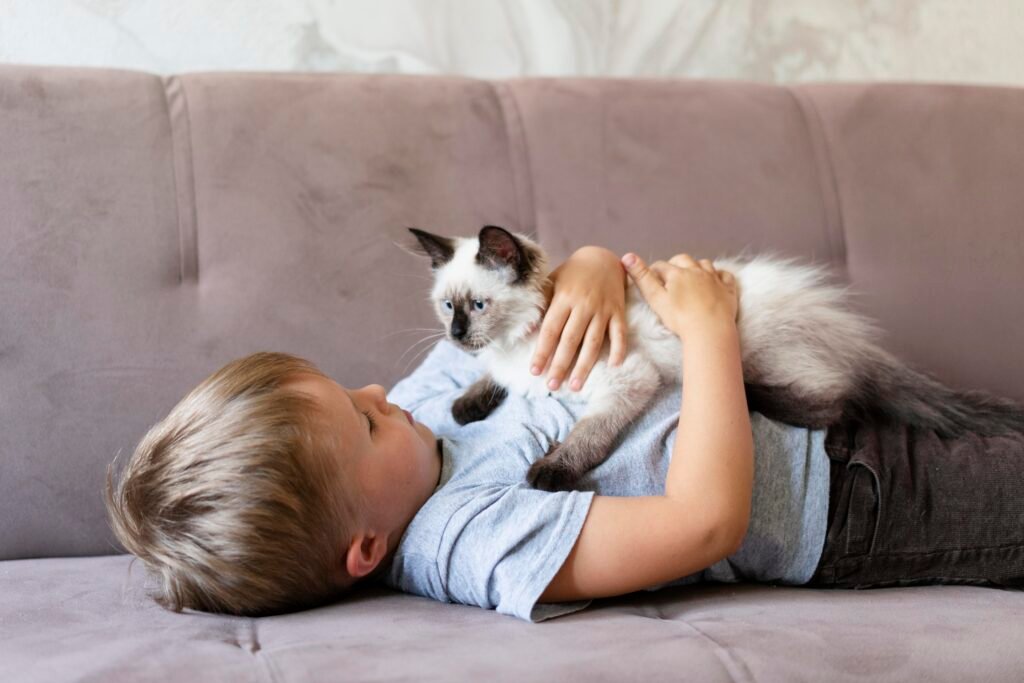
Into the World in a good Way: Cats who are interacted with at a tender age and treated with respect and respect by the children are more relaxed and tolerant. Such positive reinforcements of these initial experiences provide them with the assumption that children bring them nice experiences, such as gentle petting and amusing games.
Negative Encounters: On the other hand, a cat that has been subject to negative experiences (pulling out its tail, being chased, being poked at, etc.) will grow to be afraid of children. This trauma may lead to such defensive habits as hissing, scratching, or hiding whenever a child is around. One must be patient and endeavor to regain trust in a cat with a negative background.
Child Behavior
The interaction of the child with a cat is probably the most crucial aspect of their relationship. Child behaviour preconditions all the contacts and might either bring trust or cause fear.
Cats are usually attracted to calm and predictable behavior: Calm and Gentle Children. A child who has been trained to be tender, soft-spoken, and to leave the cat his/her space has a greater chance to form a good relationship with the feline companion. The cat will feel safe and will even make an attempt to interact.
Active or Bouncy Kids: Small children are very active and do not realize their strength. A cat can be horrified by loud, fast, and rough play. A cat that is overstimulated or frightened will have a higher chance of being defensive. The cat is not a bad cat, but is just responding to a threat that it perceives.
Advice on how to have a good Relationship.
It takes positive action and advice to establish a relationship that is compatible between your cat and child. You can prepare them for a lifetime of friendship by setting up clear rules and by creating a respectful environment. The following are six tips that should assist them in living in harmony.
1. Constant Supervision
Do not leave a child under the age of 10 years and a cat alone, however trustworthy you may feel about them. Supervision is important in order to avoid accidental injury to both your child and your pet. Even a toddler may fail to realize that it causes pain when the cat is pulled by the tail, and the cat may act in self-defense by scratching or biting. Being there, you can also direct how they interact and also be able to interfere right away in case the play is getting too rough.
2. Teach Respect
Teaching your child to respect animals is one of the most important things that you can teach them. This is not just a mere be nice to the kitty. Demonstrate to them how to pet the cat and use the back of your hand and stroke the cat all the way through the head to the tail. Educate them to identify the cues of the cat when he/she has had enough, including a wiggly tail or folded ears, or a low growl. Describe how being chased by the cat or cornering him is frightening to them. Such education not only saves your cat but also teaches the child empathy and compassion.
3. Early Socialization
When you are bringing a kitten into your home, it is important to get the socialization at an early positive age. One should also provide the kitten with an opportunity to see and hear the things inside your home in a positive and controlled manner. A soft treatment at this young age can enable the cat to become a full-grown and tolerant cat to the children. Ensure that such exchanges are brief, sweet, and never leave without a smile.
4. Create Safe Spaces
All cats require a home of their own- a place where they can go and feel safe altogether. This may be a cat tree, a warm bed in a roomy room, or even a high shelf. The most important thing is that this safe space is not accessible to children. Explaining to your child that this is the special place of the cat makes the cat feel safe, knowing that it can escape in case it feels threatened. The cat that has a safe space that it is sure of is not likely to develop a feeling of being trapped and defensive.
5. Use Positive Reinforcement
Reward effective conduct in your cat, as well as in your child. In cases when your cat treats your child in a calm and friendly manner, reward it with a treat or compliment. Likewise, compliment your child on how he is kind and respectful to the cat. This assists the two parties in identifying their interactions with positive results. Another way to help in positive bonding is by having activities that are structured, such as assisting your child in feeding the cat (supervised by you) or having a play session with a feather wand.
6. Arrange Routine Veterinary Visits.
An ailing or suffering cat is less patient and more likely to become irritable. It is important to take your cat to the veterinarregularlyular baincludeeude any underlying health condition that may be influencing the behavior of your cat. A very mild cat that turns out to be violent might have a disease. Maintaining the health of your cat is a prior activity towards making sure that your cat will be a patient and loving companion within your family.
Sharing toddlerhood-related behaviors.
In case the cats and children live together, you will witness a large assortment of behaviors. Knowing the meaning of such actions can guide you to create a positive relationship and make sure that all people are comfortable and safe.
Curiosity: Cats are people who are curious. They can stalk children or just observe them at a distance with the aim of trying to understand what these little, high-energy humans are about.
Playfulness: A playful cat may play with the shoelaces of a child or pounce on a toy that a child is engaged with. With gentleness in the play and the retracting of claws, this is a great omen of a budding friendship.
Purring: This may be a sign of contentment. When your cat purrs when being caressed by your child, it means that they are relaxed and happy to be around them.
Kneading: A cat is a behavior whereby a cat jabs its paws in and out into a soft surface (or your lap) in a rhythmic manner is categorized as a behavior, which goes back to its kittenhood. That is an indicator of rest and tranquility.
Hiding or Avoidance: When a cat always hides when a child is present, it is a definite indication that they are overwhelmed or frightened. This is a coping mechanism, and it must be respected.
Hissing or Growling: It is an explicit warning. A hissing, growlingear-flatteningng cat is telling you, Come back. The steps to take in this case would be to calmly and immediately distance the child and the cat to give them space.
Creating a Lifelong Friendship.
Hence, are cats patient with children? They may be, but patience is a thing that has to be cultivated. It develops on the basis of respect, understanding, and safety. The behavior of a cat is the product of its personality, the past, and the present environment that you create. By showing them how to become a kind friend and by giving your cat the love that it requires, you are able to lead your child into a beautiful and fruitful relationship.
The relationship between a child and a pet is a unique one, learning how to be emphempatheticsponsible, and show unconditional love. Through careful instructions and a desire to establish a trusting relationship, your cat and child can be the best friends and your home can be filled with purrs, laughter, er and treasured memories.
Cat life stages
Behaviors, Cat life stages include kitten (birth to 1 year), young adult (1 to 6 years), mature adult (7 to 10 years), and senior (over 10 years). All cat owners would like to provide a healthy and happy life for their pet. You have to know the stages of a cat’s life first, the special adventure your cat friend will go through on its way to the golden age, since birth as a kitten. Every stage is accompanied by new behaviours, nutrition, and changes in emotions, which determine the personality and health of your cat.
WRITTEN BY: Rizwan Ali
Researcher on animal species, especially cats and dogs, horses, environmental health issues, and food breeding issues.